

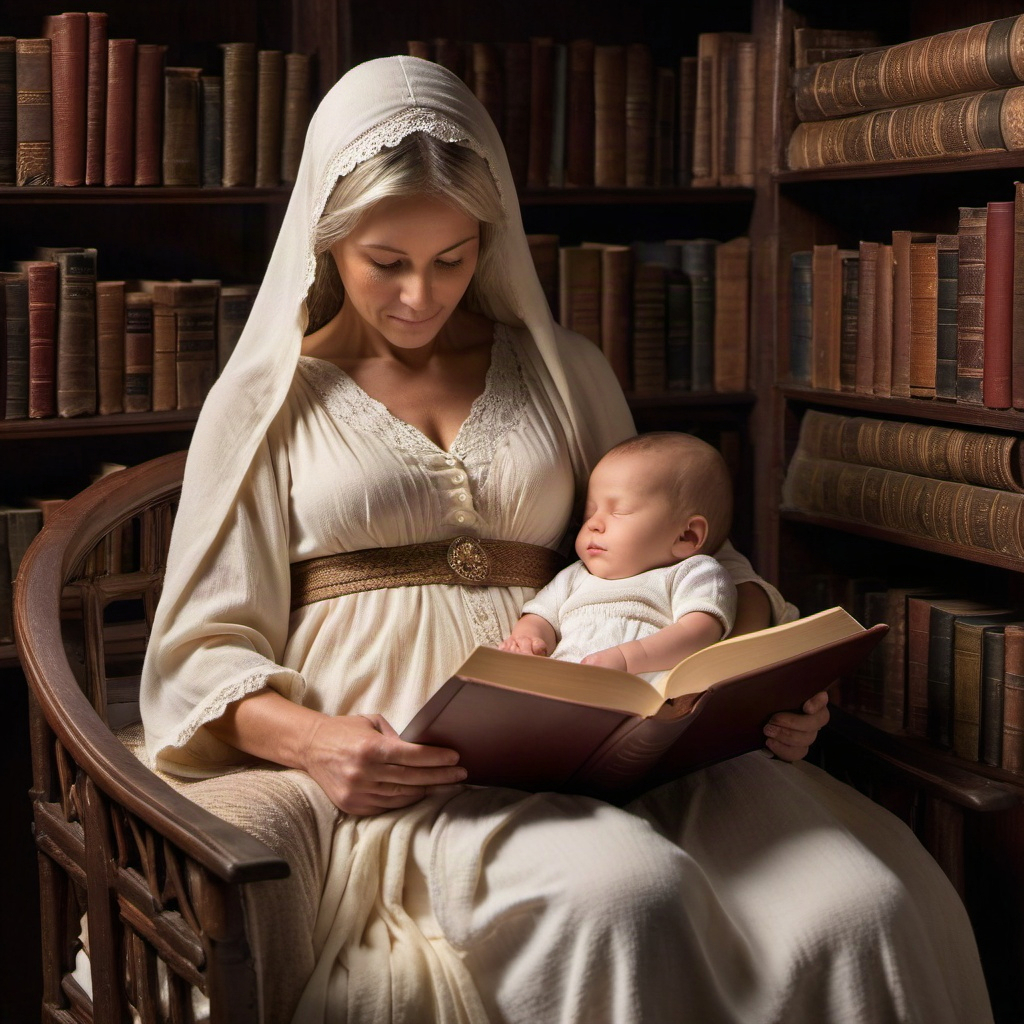
From life-changing non-fiction to unforgettable novels, discover 50 books that can entertain you, challenge your thinking, and help you see the world differently.
Introduction: Some Books Stay With Us Forever
Have you ever read a book that made you think differently about life? Perhaps a story made you emotional, a biography inspired you, or a simple sentence gave you the courage to take a difficult decision. That is the magic of reading. A good book does not merely fill our free time; it can leave a lasting impression on our minds.
The 21st century has given readers an extraordinary collection of books. We have stories about friendship, love, ambition, history, science, business, human behaviour, and the future of our planet. Writers from India and around the world have introduced us to different cultures, powerful ideas, and experiences we may never encounter personally.
But with millions of books available, where should a reader begin?
Table of Contents
Introduction: Some Books Stay With Us Forever
A Brief History: How Did Books Become So Popular?.
50 Best Books to Read This Century.
2. Indian and South Asian Voices.
3. Personal Growth, Habits and Human Behaviour
4. History, Science and Understanding the World.
5. Imagination, Mystery and Remarkable Storytelling.
Why Should You Read These Books?.
Frequently Asked Questions (FAQs)
At Gentleman’s Ebooks, we believe that discovering a good book should be an exciting journey. This guide brings together 50 remarkable books published between 2000 and 2024, covering different genres and interests. It is not a strict ranking, because the best book for one person may not be the best for another. Instead, consider it your reading map for exploring some of the most memorable works of this century.
A Brief History: How Did Books Become So Popular?
Books have travelled a long way from handwritten manuscripts and ancient libraries to modern digital collections. The invention of printing technology made books easier to reproduce, while public libraries, schools, and affordable publishing helped reading reach wider audiences.
During the 20th century, paperback books made reading more convenient. In the 21st century, online bookstores, social media, reading communities, and ebooks have created new ways to discover literature. Readers can now explore international authors from their homes, often without needing a physical bookshop nearby.
Reading has also become more diverse. Some people enjoy fantasy and romance, while others prefer biographies, history, personal development, or scientific discoveries. Online reading lists, book clubs, and recommendations from fellow readers have helped many people find books they might otherwise have missed.
Lists published by organisations such as The New York Times and The Guardian have also encouraged discussions about the most influential books of the century. Of course, popularity alone does not make a book great. Its lasting value often lies in the questions it raises and the feelings or ideas it leaves behind.
50 Best Books to Read This Century
The following selection includes fiction, non-fiction, memoirs, historical novels, science fiction, and books by Indian and international authors.
1. Fiction and Literary Masterpieces
These books explore relationships, identity, family, society, and the complicated nature of being human.
1. My Brilliant Friend — Elena Ferrante (2011)
The first novel in the Neapolitan series follows two girls growing up in Naples, Italy. It explores friendship, competition, education, and the choices that shape our lives.
2. The Kite Runner — Khaled Hosseini (2003)
A moving story of friendship, guilt, betrayal, and redemption set against the changing history of Afghanistan. It reminds us that courage sometimes means facing the mistakes of our past.
3. A Thousand Splendid Suns — Khaled Hosseini (2007)
Through the lives of two Afghan women, this novel explores suffering, sacrifice, friendship, and hope. It is a powerful reminder of the strength people can find in difficult circumstances.
4. The Road — Cormac McCarthy (2006)
A father and son travel through a devastated world. Beyond its dark setting, the novel is about parental love, survival, and holding on to humanity when everything seems lost.
5. Never Let Me Go — Kazuo Ishiguro (2005)
This thoughtful novel explores memory, friendship, mortality, and the ethical questions raised by scientific progress.
6. The Goldfinch — Donna Tartt (2013)
A young boy’s life changes after a tragic event. The story examines grief, beauty, obsession, and the unexpected consequences of our choices.
7. A Gentleman in Moscow — Amor Towles (2016)
A Russian count is placed under house arrest in a grand hotel. Through his experiences, readers discover the value of friendship, dignity, adaptability, and finding meaning in restricted circumstances.
8. Normal People — Sally Rooney (2018)
This modern relationship story follows two young people through school, university, and adulthood. It explores love, communication, insecurity, and the difficulty of understanding ourselves.
9. The Underground Railroad — Colson Whitehead (2016)
Using an imaginative historical setting, this novel examines slavery, racism, freedom, and the human desire to escape oppression.
10. Tomorrow, and Tomorrow, and Tomorrow — Gabrielle Zevin (2022)
Two friends build a career creating video games. The novel explores creativity, ambition, friendship, collaboration, and the complicated relationships behind successful work.
2. Indian and South Asian Voices
These books bring readers closer to the region’s history, social changes, traditions, and human experiences.
11. The White Tiger — Aravind Adiga (2008)
A sharp and darkly humorous novel about class, ambition, poverty, and social inequality in India. It encourages readers to question the systems that shape opportunity.
12. The Inheritance of Loss — Kiran Desai (2006)
Set partly in the Himalayas, this novel explores migration, identity, cultural conflict, and the meaning of belonging.
13. The Lowland — Jhumpa Lahiri (2013)
A story of two brothers and the effects of political choices on family life across generations. It explores responsibility, separation, and the lasting consequences of decisions.
14. Sea of Poppies — Amitav Ghosh (2008)
The first book in the Ibis trilogy takes readers into the world of colonial India, the opium trade, and the lives of people caught in historical change.
15. The Glass Palace — Amitav Ghosh (2000)
Spanning generations and countries, this historical novel explores colonialism, family, migration, and the changing fortunes of Southeast Asia.
16. The Ministry of Utmost Happiness — Arundhati Roy (2017)
An ambitious novel that brings together diverse characters and explores identity, politics, conflict, and the search for belonging in modern India.
17. The God of Small Things — Arundhati Roy (1997)
Although published before the 21st century, this internationally acclaimed Indian novel deserves mention for its lasting literary importance. It explores family, social divisions, forbidden love, and childhood through the lives of twins in Kerala.
18. The Palace of Illusions — Chitra Banerjee Divakaruni (2008)
The Mahabharata is retold through the imagined perspective of Draupadi. It offers readers a fresh way to think about power, gender, ambition, and destiny.
19. The Immortals of Meluha — Amish Tripathi (2010)
The first novel in the Shiva trilogy reimagines Indian mythology through adventure, fantasy, and questions about good, evil, and leadership.
20. The Namesake — Jhumpa Lahiri (2003)
A thoughtful story about an Indian-American family, cultural identity, and the experience of living between two worlds. It may especially interest readers who have experienced migration or generational differences.
3. Personal Growth, Habits and Human Behaviour
These non-fiction books offer ideas about decision-making, discipline, work, and understanding ourselves. Their advice should be considered thoughtfully rather than treated as a guaranteed formula for success.
21. Atomic Habits — James Clear (2018)
Explains how small, consistent actions can help build better habits. A useful starting point for readers who want to improve their routines.
22. Thinking, Fast and Slow — Daniel Kahneman (2011)
Explores how people think, make decisions, and fall into predictable errors of judgement.
23. The Psychology of Money — Morgan Housel (2020)
Shows how emotions, patience, behaviour, and personal experiences influence financial decisions. Particularly useful for readers interested in understanding money management.
24. Deep Work — Cal Newport (2016)
Explains the value of focused work in a world filled with distractions. Its ideas can help students and professionals improve concentration.
25. Mindset — Carol S. Dweck (2006)
Introduces the idea that our beliefs about learning and ability influence how we respond to challenges and failure.
26. The 7 Habits of Highly Effective People — Stephen R. Covey (1989)
An influential earlier work about responsibility, priorities, relationships, and personal effectiveness. It remains widely read in the 21st century.
27. Man’s Search for Meaning — Viktor E. Frankl (1946)
Another earlier classic that remains relevant today. Drawing on Frankl’s experiences and psychological insights, it explores meaning, suffering, and the human search for purpose.
28. Essentialism — Greg McKeown (2014)
Encourages readers to focus on what matters most rather than filling every day with unnecessary commitments.
29. The Four Agreements — Don Miguel Ruiz (1997)
A short, accessible guide built around four principles for personal conduct and relationships. Its ideas invite reflection on communication and self-awareness.
30. Grit — Angela Duckworth (2016)
Explores the role of perseverance and long-term commitment in achieving goals, while reminding readers that success involves more than talent alone.
4. History, Science and Understanding the World
These books help readers explore humanity’s past, scientific discoveries, social systems, and the future.
31. Sapiens — Yuval Noah Harari (2011)
A broad account of human history, from early humans to modern societies. It raises interesting questions about how humans developed systems, beliefs, and institutions.
32. Homo Deus — Yuval Noah Harari (2015)
Looks towards possible futures shaped by technology, artificial intelligence, and human ambitions.
33. The Emperor of All Maladies — Siddhartha Mukherjee (2010)
A deeply researched history of cancer, combining science, medicine, and the stories of patients and researchers.
34. The Gene — Siddhartha Mukherjee (2016)
Explores the history of genetics and the growing understanding of heredity, identity, and the possibilities of genetic science.
35. Factfulness — Hans Rosling, Ola Rosling and Anna Rosling Rönnlund (2018)
Encourages readers to examine global statistics carefully and question assumptions about the world’s problems and progress.
36. Guns, Germs, and Steel — Jared Diamond (1997)
An influential earlier work examining geographical and environmental factors in the development of human societies. Its broad explanations have also been debated by scholars.
37. The Warmth of Other Suns — Isabel Wilkerson (2010)
Documents the experiences of Black Americans who moved from the American South to other parts of the United States during the Great Migration.
38. Educated — Tara Westover (2018)
A memoir about a woman raised in an isolated household who pursues education and gradually changes her understanding of the world.
39. Hidden Figures — Margot Lee Shetterly (2016)
Tells the story of Black women mathematicians whose work helped NASA during the space race.
40. The Sixth Extinction — Elizabeth Kolbert (2014)
Examines human influence on biodiversity and the scientific evidence surrounding the current extinction crisis.
5. Imagination, Mystery and Remarkable Storytelling
These books are excellent for readers who want suspense, unusual worlds, unforgettable characters, or stories that challenge reality.
41. The Hunger Games — Suzanne Collins (2008)
A dystopian adventure that explores power, inequality, survival, and resistance.
42. The Night Circus — Erin Morgenstern (2011)
A magical, atmospheric story of two rival magicians and a mysterious circus. Ideal for readers who enjoy imaginative settings.
43. The Three-Body Problem — Liu Cixin (2006; English translation, 2014)
A science-fiction novel that combines physics, alien contact, and humanity’s response to a possible extraterrestrial threat.
44. Cloud Atlas — David Mitchell (2004)
A series of interconnected stories spanning different periods and settings. It explores how human actions can echo across time.
45. The Seven Deaths of an Empire?
For a mystery alternative, choose The Thursday Murder Club — Richard Osman (2020), a witty crime novel about retirement-home residents who investigate murders. It combines humour, suspense, and friendship.
46. The Silent Patient — Alex Michaelides (2019)
A psychological thriller about a woman who stops speaking after a shocking crime and the therapist determined to understand why.
47. Station Eleven — Emily St. John Mandel (2014)
A novel about a world after a devastating pandemic. It explores art, memory, survival, and the importance of human connection.
48. Piranesi — Susanna Clarke (2020)
A mysterious and dreamlike novel set in an enormous house filled with statues and endless halls. It rewards readers who enjoy puzzles and unusual storytelling.
49. The Seven Moons of Maali Almeida — Shehan Karunatilaka (2022)
A darkly comic, imaginative novel set in Sri Lanka during a period of political violence. It combines mystery, satire, and reflections on memory and conflict.
50. The Midnight Library — Matt Haig (2020)
A woman discovers a library containing different versions of her life. The novel explores regret, choices, possibility, and the value of appreciating life as it is.
Why Should You Read These Books?
Every genre offers something different. Fiction can help us understand emotions and experiences beyond our own. History can challenge our assumptions about the past. Science can satisfy curiosity, while personal development books can introduce practical ways to approach everyday problems.
For example, a reader struggling with distractions might explore Deep Work. Someone curious about money could begin with The Psychology of Money. A reader looking for an emotional story might choose The Kite Runner, while a lover of mythology may enjoy The Palace of Illusions.
The best approach is to choose a book that suits your current interests. You do not need to read all 50, or even agree with every author’s viewpoint. Read with curiosity, question what you encounter, and apply useful lessons sensibly.
Frequently Asked Questions (FAQs)
1. What are the best books to read in the 21st century?
There is no single correct list. Books such as My Brilliant Friend, The White Tiger, Atomic Habits, Sapiens, and Educated are good starting points across different genres.
2. Which books should beginners read first?
Try Atomic Habits for practical ideas, The Midnight Library for accessible fiction, or The Psychology of Money for an introduction to financial behaviour.
3. Which books are especially relevant to Indian readers?
The White Tiger, The Palace of Illusions, Sea of Poppies, The Namesake, and The Immortals of Meluha offer different perspectives on Indian society, history, mythology, and identity.
4. Are these books available as ebooks?
Availability depends on the title, edition, publisher, and region. Check legitimate ebook retailers and digital libraries for authorised editions.
5. How can I develop a regular reading habit?
Start with ten minutes daily, keep a realistic monthly goal, and choose subjects that genuinely interest you. Consistency matters more than speed.
6. Should I read fiction or non-fiction?
Both have value. Fiction offers imagination and emotional understanding, while non-fiction can deepen knowledge and introduce practical ideas. A balanced reading list can include both.
7. Can reading really change the way we think?
Yes, reading can expose us to unfamiliar ideas and different viewpoints. The effect depends on the book, the reader’s reflection, and how the information is used.
Conclusion: Your Next Favourite Book Is Waiting
The 21st century has given us books that entertain, educate, challenge, and inspire. From Indian stories rooted in culture and mythology to international works exploring science, psychology, and human relationships, there is something for almost every reader.
You do not need to begin with the longest or most famous title. Start with one book that speaks to your interests. Read a few pages each day, make notes, discuss ideas, and allow yourself to explore new genres.
At Gentleman’s Ebooks, we celebrate the idea that books are more than products sitting on a shelf or files stored on a device. They are gateways to knowledge, imagination, and personal growth.
Explore our platform, discover your next read, and build a collection that reflects your curiosity. After all, one meaningful book can introduce you to a new world—and sometimes, to a new way of looking at your own.
For you my friend